

Our Vision

We believe in a world of new communities of opportunity and choice, thereby inspiring people and providing freedom to create.

Our Model

International Cities by Tipolis

Tipolis creates new models of urban living through innovation in governance, leading to greater opportunity, choice, and freedom.

What Are International Cities?

What Are International Cities?

International Cities are privately run communities, based on clear contracts, which provide, enable and facilitate opportunity and choice. International Cities will be established at multiple locations around the world, sharing common values and distinct characteristics, yet thriving in harmony and synergy with their local environment and culture.

Why Are International Cities Better?

Why Are International Cities Better?

International Cities have the potential to revolutionize urban governance. They promise to offer an exceptional level of freedom and opportunity to create and innovate. This is because the City Operator in an International City has strong incentives to provide excellent services and regulatory environment – it stays in business only if the city is thriving and its residents are happy. This is also because all residents have clearly defined, enforceable rights, based on a contractual relationship with the City Operator.

How Are International Cities Governed?

How Are International Cities Governed?

International Cities build on the concept of Special Administrative Regions (SARs) and are the next evolution of Special Economic Zones (SEZs).

They enjoy the right to govern their own internal affairs, such as administration, security, dispute resolution, and economic and social affairs, based on a contractual arrangement with the host country of the International City. While the International Cities will therefore benefit from a high degree of internal autonomy, they remain part of their host country, e.g., in terms of the constitutional framework, international relations, defence, and any other matters that are not delegated to the International City by the host country.

Who Are International Cities For?

Who Are International Cities For?

International Cities are for everyone who aims for a life of opportunity, choice and freedom – in a safe and pleasant environment, with clearly defined rights and responsibilities. International Cities do not discriminate by origin, gender, religion, race, etc. – they are open, welcoming places that embrace diversity, appealing to a wide range of people and social groups.

International Cities will be thriving hubs of business and innovation, they will be societal hotspots – but also beacons of feeling home and relaxed, in safe, serene, beautiful environments.

The versatility of the concept enables individual International Cities to shape their own character and personality, appealing to specific target groups, while protecting common defining characteristics.

About Us

Who We Are

Tipolis Pte. Ltd. is a Singapore-based company committed to becoming the creator, owner and operator of a global portfolio of International Cities characterized by a high degree of autonomy.

The Tipolis team includes experts who have been involved in some of the foremost success stories of value and wealth creation in recent history, such as the world-renowned special zone of Dubai International Financial Centre (DIFC).

Our core team is currently operating in and out of 8 countries globally. To succeed, we attract top talent from around the world to our team and operate with a strong emphasis on innovation and responsibility.

Meet Our Management Team

Dr. Titus Gebel

Chief Executive Officer

Dr. Dr. Andreas Baumgartner

Deputy CEO & Chief Strategy Officer

Alexander D. Voss, CFA

Chief Financial Officer

Marthinus Grobler

Chief Architect

Dr. Titus Gebel

Dr. Titus Gebel

Chief Executive Officer

Titus Gebel is an entrepreneur with a PhD in international law and an extensive worldwide network. Amongst others, he co-founded Frankfurt-listed Deutsche Rohstoff, where he served as CEO for 8 years, and the Canadian nuclear startup Fluxion Nuclear Energy.

Dr. Gebel is one of the world’s leading figures in the areas of free cities and competitive governance, having published the book “Free Private Cities: Making Governments Compete for You” in 2018, where he lays out a framework for establishing autonomous, privately operated jurisdictions.

As Chief Legal Officer, Dr. Gebel played an important role in the establishment of the most ambitious special zone to date, Próspera, Honduras, which, among other innovations, introduced its own Common Law Code and an innovative agreement of coexistence between residents and city operators. He also advised other countries in Special Economic Zones innovation. He is the President of the Free Cities Foundation which works to enable and promote free cities around the world.

Dr. Dr. Andreas Baumgartner

Dr. Dr. Andreas Baumgartner

Deputy CEO & Chief Strategy Officer

Andreas Baumgartner is a highly sought-after leader and senior expert in the field of economic and social development, having operated at the crossroads of business, politics and law for 25 years. He holds two PhDs – in Law and in Economic and Social Sciences – along with four Master’s degrees.

For 9 years, Dr. Baumgartner worked as a consultant at McKinsey & Co with a focus on public sector and economic development as well as travel, infrastructure, and logistics, including SEZs. He was also in charge of government advisory at the Office of Tony Blair / Tony Blair Associates, overseeing political advice, policy design, public sector delivery, positioning and narrative development, economic development, and regulatory strategies.

Dr. Baumgartner served as Executive Director of the Dispute Resolution Authority at the Dubai International Financial Centre. He is the co-founder of The Metis Institute, which empowers regulatory frameworks and dispute resolution.

Alexander D. Voss, CFA

Alexander D. Voss, CFA

Chief Financial Officer

Alex Voss has extensive background in finance and economics, having worked on corporate restructurings and mergers and acquisitions in the healthcare industry. Prior to this role, he also worked in asset management with Ariel Investments, where he invested in deep-value stocks.

He graduated Summa Cum Laude from University of Notre Dame and with Honors from the University of Chicago. He also maintains numerous highly valued professional certifications such as Chartered Financial Analyst (CFA), Certified Management Accountant (CMA), Financial Risk Management (FRM), Professional Risk Manager (PRM), Association of Chartered Certified Accountants (ACCA) and Chartered Alternative Investment Analyst (CAIA). He is finalizing a Master of Austrian Economics at the Mises Institute.

Mr. Voss has written and spoken extensively on Bitcoin, Austrian Economics and Free Cities around the US and globally. His writings are regularly published in Escape Artist Insiders magazine and the Free Cities Foundation.

Marthinus Grobler

Marthinus Grobler

Chief Architect

Marthinus Grobler is a professional architect and urbanist with a Master’s degree from the University of Pretoria and 19 years of experience. He spans a rare combination of architectural skills, complex systems thinking, and knowledge in economics. His focus in cities is on emergent and market-based urbanism.

Before joining Tipolis, Mr. Grobler led his own architectural firm since 2008, primarily focused on residential properties, and has been involved in several international projects. He has developed full urban masterplans for several autonomous private city projects, together with a flexible generic masterplan that can be adapted for new cities.

Mr. Grobler’s professional development has included, among others, urban land economics, property law, infrastructure feasibilities, macroeconomics, biomimicry, low-cost housing, sustainability, project management, and business ethics.

Advisory Council

Tipolis is guided by leading thinkers and practitioners in governance, economics, architecture and enterprise.
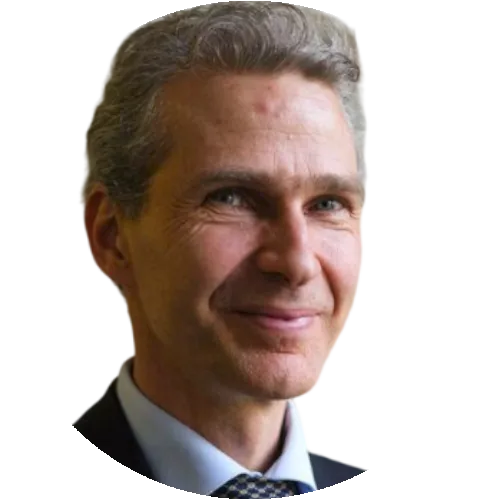
  • Dr. Christian H. Kälin

    Dr. Christian H. Kälin

    Inventor and Pioneer of Modern Investment Migration
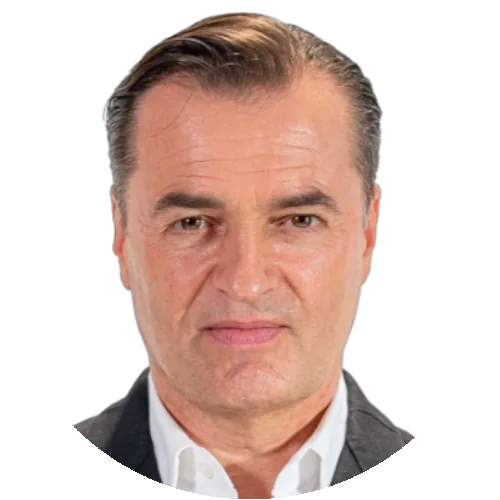
  • Dr. Patrik Schumacher

    Dr. Patrik Schumacher

    Principal of Zaha Hadid Architects
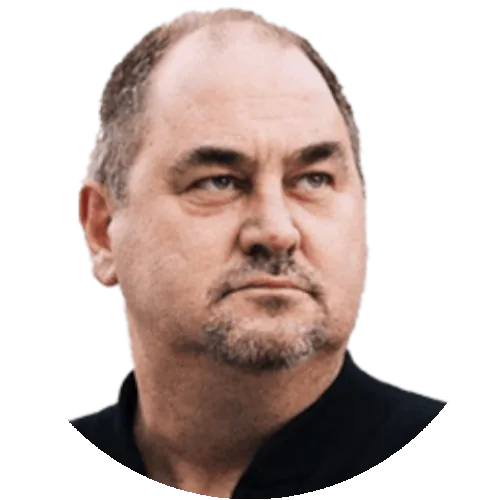
  • Thomas Sevcik

    Thomas Sevcik

    Global Strategies and Narratives
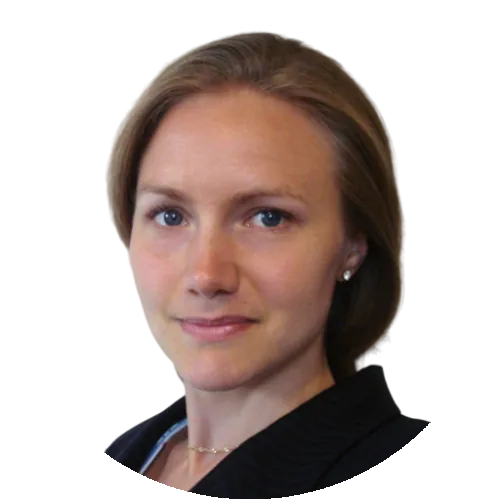
  • Lotta Moberg, PhD, CFA

    Lotta Moberg, PhD, CFA

    SEZ Expert, Economist, and Investor

  • Mikkel Thorup

    Mikkel Thorup

    The World's Most Sought-After Expat Consultant
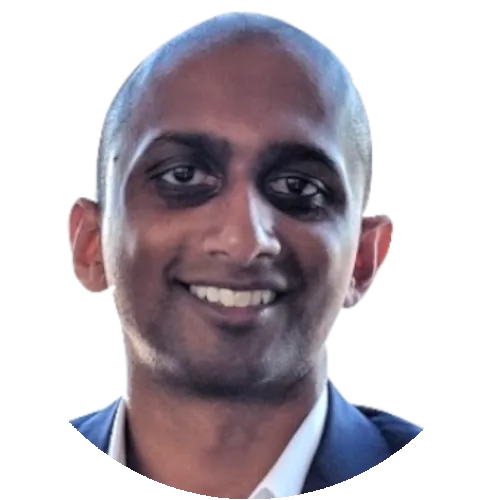
  • Stephan Livera

    Stephan Livera

    Bitcoin Podcaster and Educator

  • Magatte Wade

    Magatte Wade

    African Development Expert, Entrepreneur
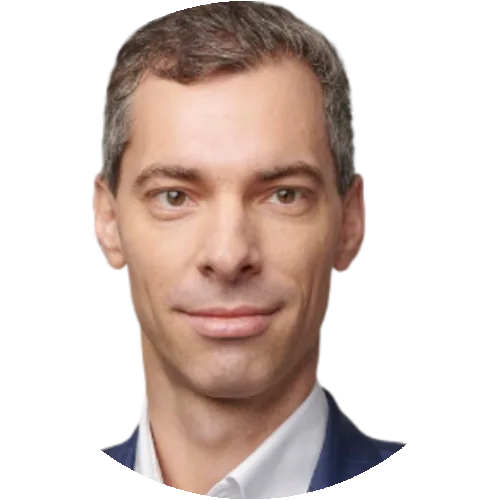
  • Dr. Martin Durchschlag

    Dr. Martin Durchschlag

    Real Estate Expert, ex-CEO at HIAG

  • Rodrigo Quercia

    Rodrigo Quercia

    Business Development Expert, CEO Grupo Solpanamby
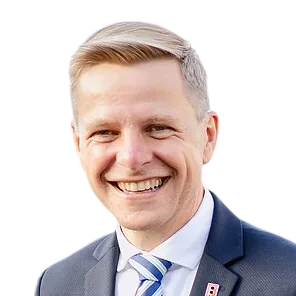
  • Remigijus Šimašius

    Remigijus Šimašius

    City management & innovative regulation expert. Former minister of justice and mayor of Vilnius
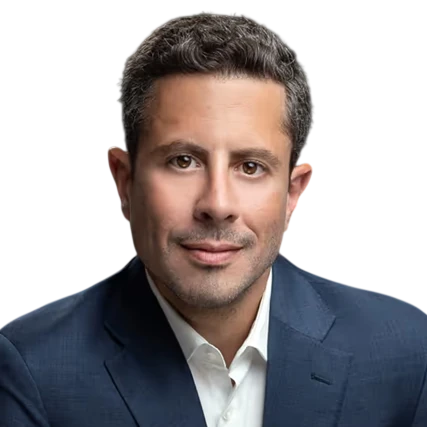
  • Saifedean Ammous

    Saifedean Ammous

    Economist and internationally best-selling author
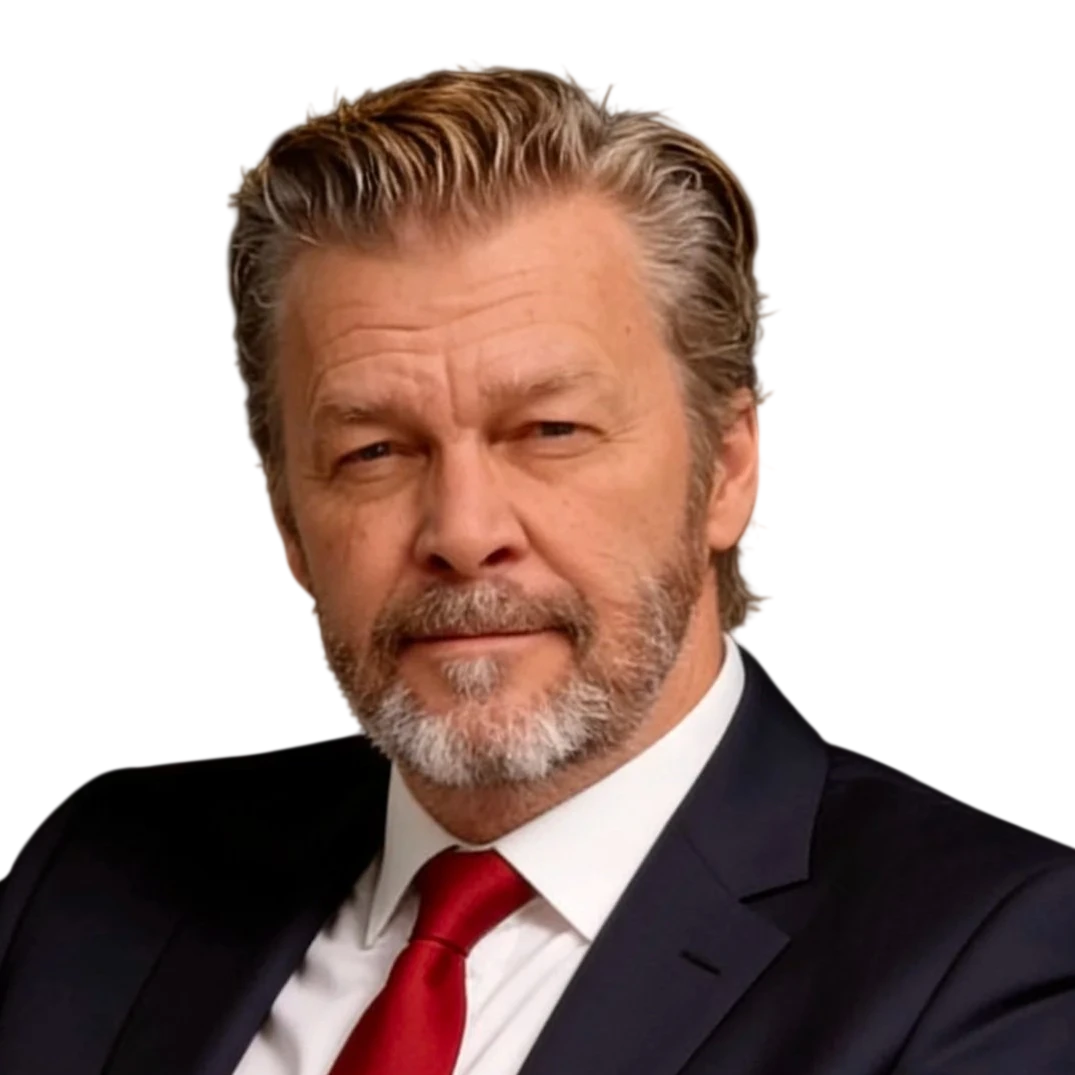
  • Patrick Hiebert

    Patrick Hiebert

    Builder of freedom-oriented communities, CEO of Autris Group
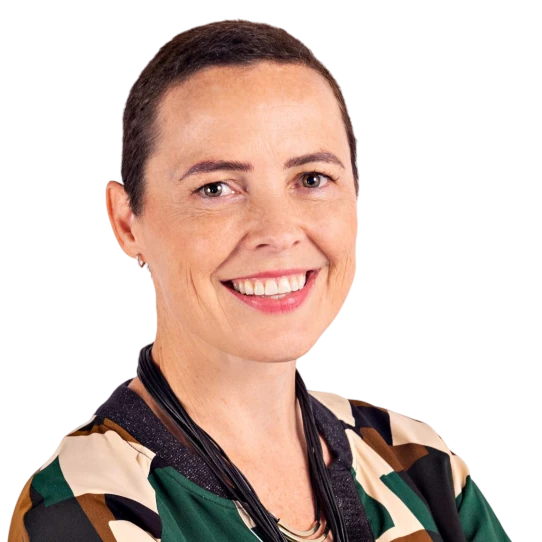
  • Krysta Fox

    Krysta Fox

    Former CEO of Dubai Multi Commodities Centre

Investors

The investment opportunity most people will miss.

Singapore, Dubai, Hong Kong, Shenzhen. Every generation's largest wealth-creation events shared one driver: autonomous governance turning undervalued land into first-world cities. A new class of privately operated cities is making that same transformation investable at the ground floor, and Tipolis is building at its frontier.

176×
Singapore GDP per capita, 1965 → today
$5.4T
Singapore land + capitalized economic value
87×
Hong Kong GDP per capita, 1961–1997
6,000+
Special economic zones operating worldwide

Investment Thesis · Essay

The Autonomous Upside

Why autonomous cities are the investment opportunity most people will miss: the precedent, the business model, and a clear-eyed view of the risk.

By Alex Voss · March 2026 · ≈ 25 min read · 13 chapters

Inside the essay

  1. 01 Imagine You Had Invested in Singapore in 1965
  2. 02 Governance Is an Investable Asset Class
  3. 03 City-States That Outperformed Nations
  4. 04 Jiaolong and the Autonomous Unicorn
  5. 05 How Investors Participate in the Value Creation
  6. 06 Lessons from the Frontier: Próspera & Morazán
  7. 07 A Clear-Eyed View of Risk

+ 6 more chapters, sources & endnotes

For direct enquiries, reach our investment team at investments@tipolis.com.

Connect

Stay close to what we're building.

Newsletter

Subscribe for updates

Occasional notes on Tipolis and the frontier of autonomous cities. Unsubscribe anytime.

Media & enquiries

Get in touch

Reach our media relations team at press@tipolis.com, or send a message below.